
large glass sheets
Understanding Precision Thread Gauges A Key Tool in Manufacturing In the manufacturing and engineering industries, precision is paramount. One of the critical components ensuring this precision is the thread gauge, specifically designed for testing threaded parts in various applications. This article delves into the importance of precision thread gauges, their types, uses, and the impact they have on quality control in production processes. What Are Precision Thread Gauges? Precision thread gauges are instruments used to measure the dimensional and functional characteristics of threaded components. They are essential for ensuring that the threads on screws, bolts, and other fasteners meet specified tolerances and quality standards. These gauges help verify not only the pitch and diameter of threads but also their form and fit, which are crucial for the proper function of mechanical assemblies. Types of Precision Thread Gauges There are several types of thread gauges, each designed for specific measuring tasks . The most common types include 1. Go/No-Go Gauges These gauges consist of two parts – a Go gauge that should fit the threaded part and a No-Go gauge that should not. This simple method allows for rapid assessment of whether a threaded component meets the required specifications. 2. Thread Calipers Similar to regular calipers, thread calipers are used to measure the diameter and pitch of threads with high precision. They provide a more detailed measurement compared to Go/No-Go gauges. 3. Thread Ring Gauges Used for external threads, these gauges allow for the assessment of the thread's diameter and pitch. They come in various sizes to accommodate different thread specifications. 4. Thread Plug Gauges These are used for internal threads and operate on a similar principle as ring gauges. They ensure that the internal threads are within the specified tolerance levels. The Importance of Precision Thread Gauges precision thread gauges The accuracy of threaded components is crucial for the performance, safety, and reliability of mechanical systems. Precision thread gauges play a vital role in several aspects - Quality Assurance By regularly measuring and checking threaded components during the manufacturing process, companies can ensure that their products meet industry standards and customer requirements. This reduces the incidence of failures due to improperly threaded parts. - Cost Efficiency Investing in precision thread gauges can lead to significant cost savings. By identifying defects early in the production process, manufacturers can minimize waste and reduce the costs associated with returns and repairs. - Regulatory Compliance Many industries are governed by strict regulations requiring adherence to specific standards. Precision thread gauges ensure that manufacturers comply with these regulations, avoiding legal penalties and maintaining their reputation in the industry. - Innovation and Improvement The use of precision measurement tools encourages continuous improvement in manufacturing processes. By monitoring and analyzing measurement data, companies can identify areas for enhancement and innovate new product designs. Conclusion In conclusion, precision thread gauges are indispensable tools in the manufacturing industry. Their role in quality control, compliance, and efficiency cannot be overstated. As technology evolves, the methods and tools for measuring threaded components are also advancing, offering even greater accuracy and reliability. For manufacturers aiming to maintain competitive advantage and deliver high-quality products, investing in precision thread gauges is a strategic necessity. By ensuring the integrity of threaded connections, these gauges help uphold the standards of safety and performance that we rely on in everyday life.
about
large glass sheets
Understanding Rebar Chairs for New Zealand Standards In the realm of construction and engineering, ensuring compliance with national standards is critical for the safety and integrity of structures. In New Zealand, as in many other countries, the use of rebar (reinforcing steel bars) is integral to concrete construction. One of the essential components that support rebar during the pouring of concrete is the rebar chair. This article will explore the importance of rebar chairs, particularly in the context of New Zealand standards. What is a Rebar Chair? Rebar chairs are devices used to support and elevate reinforcing bars above the concrete slab. They serve a crucial role in maintaining the correct positioning of rebars during the pouring and curing of concrete, ensuring that the steel reinforcement is adequately embedded in the concrete for optimal structural performance. Rebar chairs come in various shapes and sizes, designed to accommodate different bar diameters and heights as specified in design plans. Importance of Rebar Chairs The primary function of a rebar chair is to maintain the cover of concrete over the rebar. This cover is vital for several reasons 1. Corrosion Protection Adequate cover protects the rebar from moisture and other corrosive elements, thereby prolonging the life of the reinforcing steel and the overall structure. 2. Structural Integrity Proper placement of rebar ensures that it effectively enhances the tensile strength of the concrete, which is crucial for the stability and strength of the structure. 3. Compliance with Standards In New Zealand, construction practices and materials must comply with standards set out by the Standards New Zealand organization . Using appropriate rebar chairs that meet local regulations is necessary for any construction project. New Zealand Standards for Rebar Chairs rebar chairs for newzealand standard In New Zealand, the standards for construction materials and practices are governed by various codes, including AS/NZS 46712001, which relates to steel reinforcing materials, and NZS 3101, which covers the design of concrete structures. While these standards may not explicitly outline the specifications for rebar chairs, they emphasize the importance of using quality materials and ensuring proper placement of rebar. The selection of rebar chairs must consider factors such as load-bearing capacity, material durability, and environmental conditions. For instance, in coastal areas where saltwater can accelerate corrosion, using non-corrosive materials for rebar chairs becomes crucial. Furthermore, the height and spacing of rebar chairs must align with the specified concrete cover in design documentation. Choosing the Right Rebar Chair When selecting rebar chairs, contractors and engineers should consider several factors 1. Material Generally, rebar chairs are made from plastic, steel, or fiberglass. Plastic chairs are lightweight and can be cost-effective, but steel chairs may offer greater durability, particularly in heavy-load applications. 2. Height and Size The chair's height should correspond to the required concrete cover as specified in the design plans. Variations in rebar diameter may also necessitate different chair sizes to ensure proper support. 3. Load Capacity It’s crucial to choose chairs that can withstand the weight of the rebar as well as any additional loads during the concrete pouring process. 4. Environmental Conditions In a country with diverse climates, the impact of weather conditions on the materials used in rebar chairs should be considered during the selection process. Conclusion Rebar chairs are essential accessories in the concrete construction industry, especially within the framework of New Zealand standards. By ensuring that reinforcing bars are correctly positioned and supported, rebar chairs play a significant role in achieving the desired structural integrity and longevity of concrete structures. Understanding the specifications, materials, and appropriate use of rebar chairs helps engineers and contractors deliver safe, compliant, and durable constructions. As such, it is imperative that all construction professionals remain informed about best practices and regulatory standards concerning rebar chairs and reinforcing strategies in New Zealand.
-

High quality industrial productsagement

High quality industrial products
View Details -

Meet the diverse needs of customers

Meet the diverse needs of customers
View Details -

Strict quality control

Strict quality control
View Details -

Top raw materials

Top raw materials
View Details -

Trusted supplier

Trusted supplier
View Details
Our application

news and information

Ustawiony wskaźnik
Zestaw wskaźników pinowych – niezastąpione narzędzie w precyzyjnym pomiarze W dzisiejszym świecie, g
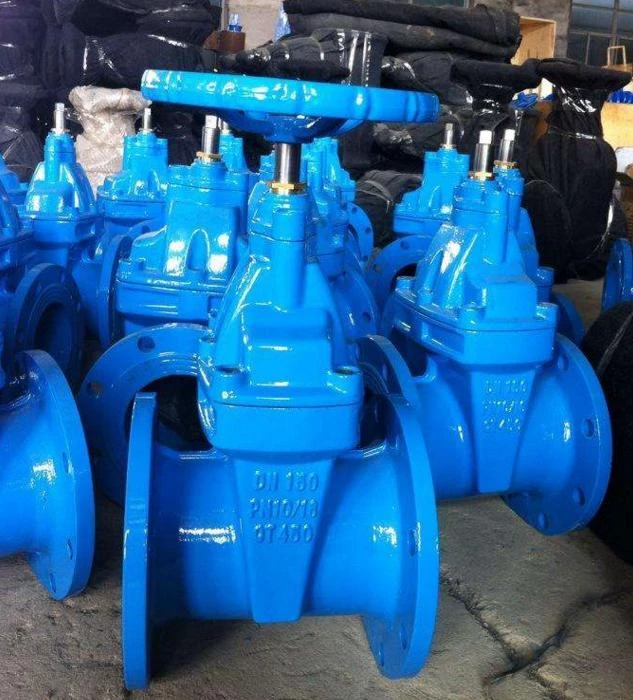
Valvola a sfera da 150 mm - Alta qualità e prestazioni
Valvola a Vite da 150mm Un Eccellente Strumento per il Controllo del Flusso La valvola a vite da 150
Y Type Strainers_ A Comprehensive Guide
Y type strainers are crucial components in various piping systems, known for their ability to filter
 English